 VisionHub
BlogVideo ProductionCorporate Sector
How a corporate video is structured: a real example analysed
By Javier Morell · , updated
Many companies know they need a corporate video but are unsure how to structure it so that it actually works. In this article we break down the structure of a real corporate video to see what parts it is made of, what each one does and how an effective message is built in under a minute.
The example we look at is a production by Droneit, a company specialising in corporate audiovisual services, with extensive experience in event filming, business videos and productions that combine aerial drone shots with professional ground filming.
A real corporate video example
Here is the video we are going to analyse:
For more examples, or to find out how we approach this kind of production, visit our page on
professional corporate videos.
What is the structure of a corporate video?
An effective corporate video is usually organised into clear blocks. They are not always visible as chapters, but each has a specific job:
- A visual opening or initial impact
- Introducing the context or the company
- Showing the work or services
- Building credibility
- A visual or brand close
Let's see how these parts appear in the real example.
The video's structure, step by step
1. Opening: grab attention in the first few seconds
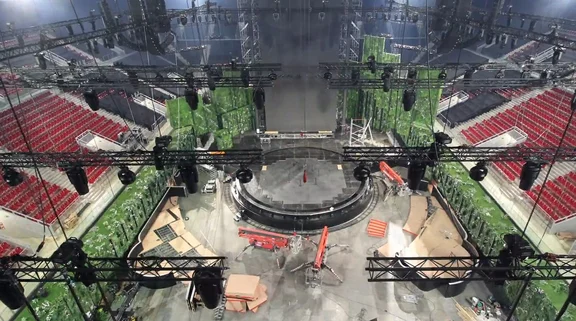
The video opens with aerial shots that make a visual impact from the very first moment. This kind of footage is a regular feature of Droneit productions, as it quickly orients the viewer and brings a cinematic look from the start.
- Wide shots
- Smooth camera movement
- Scale and context from the outset
This section has a key role: to stop the viewer and convey professionalism within seconds.
2. Context and what the company does
After the opening, the video shows real workplaces, offices and professional situations. In corporate productions it is essential to capture real activity rather than staged scenes, so that the video feels authentic.
This helps to:
- Humanise the brand
- Show real activity
- Build trust
3. Showcasing projects and sectors
In the middle of the video the pace picks up and a range of settings appears: events, companies, industrial and corporate environments.
This block is the heart of the video, because it answers the question every client asks:
“What kind of work do they do?”
In pieces like this, Droneit usually combines ground-level filming with professional cameras and aerial shots, which shows both the detail and the scale of the projects.
4. Credibility and real proof
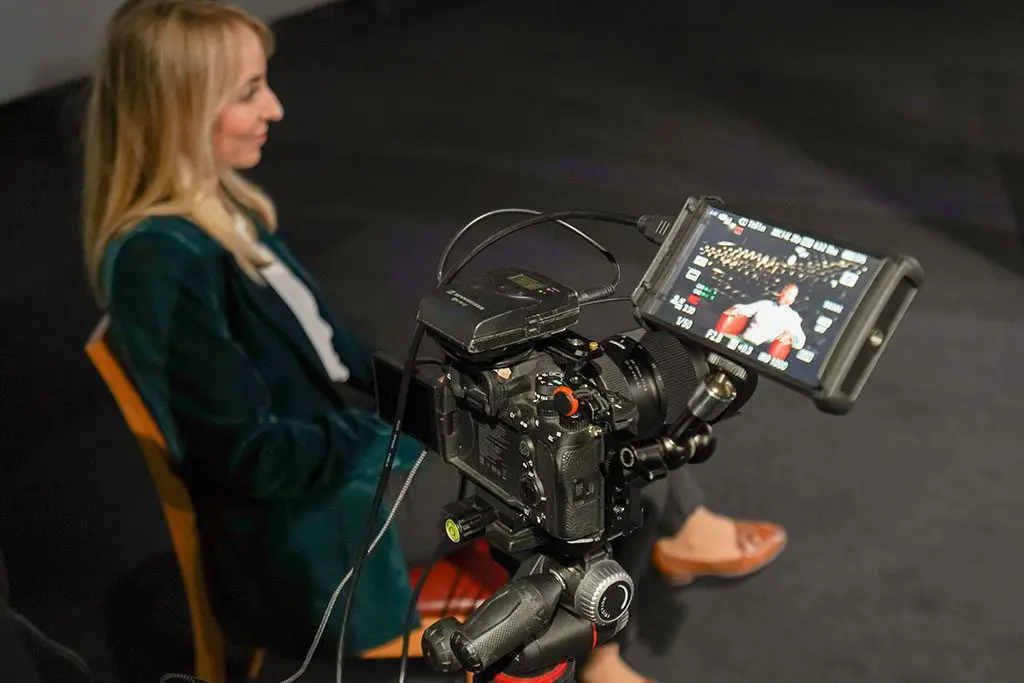
The video brings in an interview or testimonial shot, which slows the pace and adds a personal touch.
This works very well because it:
- Adds authenticity
- Breaks up the visual edit
- Reinforces trust
Filming testimonials is a common part of corporate video projects, as it conveys experience and professionalism directly.
5. Visual close and brand feel
The video ends with slower shots and wide visuals that make for an elegant close.
A good ending does more than finish the video. It leaves an impression.
Pacing a corporate video
Pace is a key part of the structure. Not every section of the video should move at the same speed.
| Block | Pace | Goal |
|---|---|---|
| Opening | Medium | Make an impact |
| Context | Medium | Explain |
| Projects | Fast | Demonstrate |
| Testimonial | Slow | Build trust |
| Close | Medium | Make the brand memorable |
Common shot types in a corporate video
This example uses several shot types that are typically combined in professional productions of this kind:
- Wide shots to show spaces and context
- Medium shots to show people at work
- Cutaways to keep the edit dynamic
- Aerial drone shots for visual impact and a sense of scale
It is the combination of these shots that gives the video its rhythm and variety.
What a corporate video should convey
Beyond the look, a corporate video should communicate clear ideas:
- Professionalism
- Experience
- A proven ability to deliver
- Trust
The structure of the video is what lets it convey these values without spelling them out. That is why proper planning and a team specialising in audiovisual production make all the difference to the end result.
Conclusion
The structure of a corporate video is no accident. Even in short pieces, every block plays a specific role in the overall message.
When the pace, the shots and the sequence are well designed, viewers understand who you are, what you do and why they can trust your company, all in under a minute. That is the goal of any professional corporate video production.