 VisionHub
Drone regulations in Spain 2026: the essentials for flying legally
By Jaime Gaig · , updated
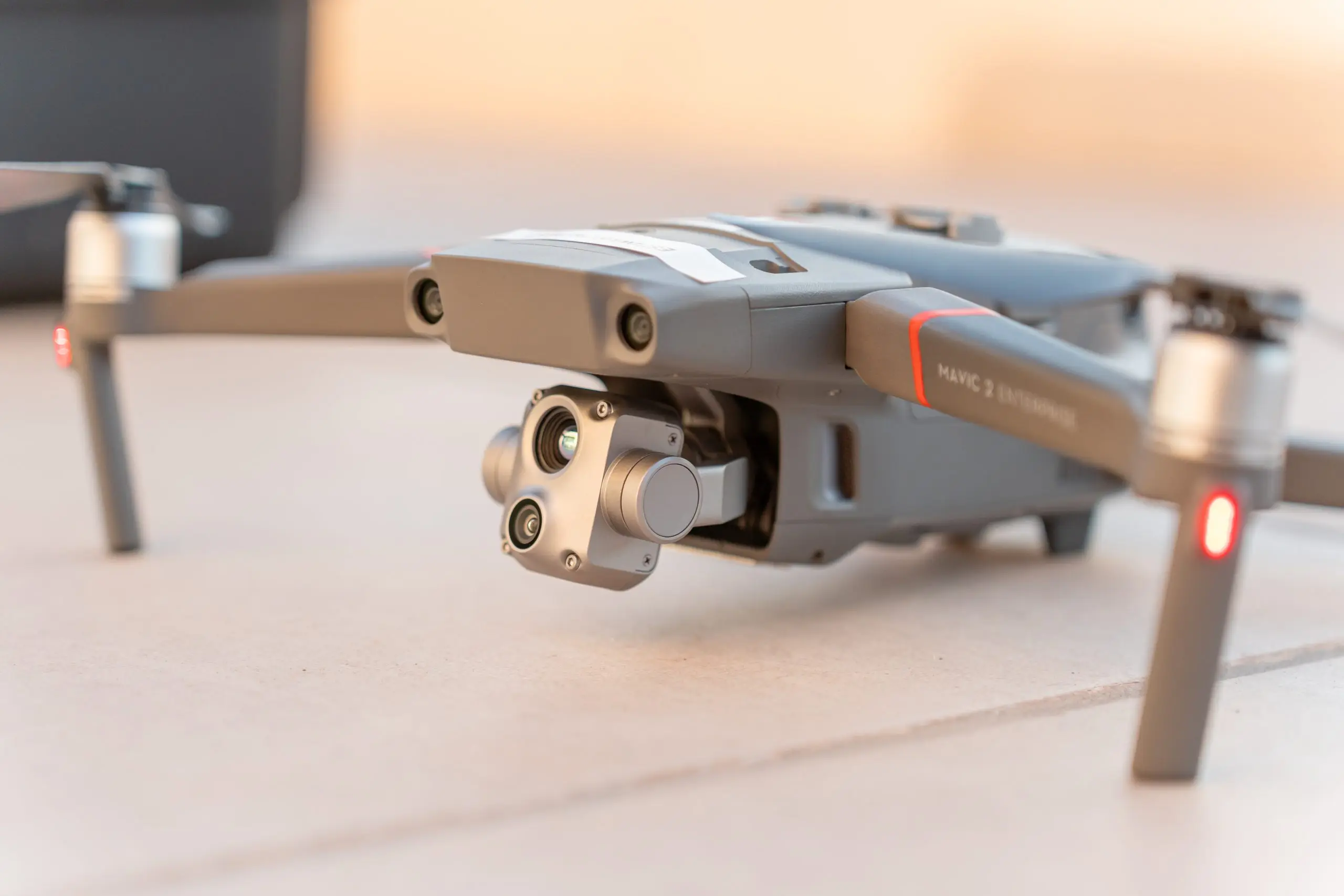
Flying a drone in Spain in 2026 is no longer just a hobby. It is a regulated activity across many sectors (aerial filming, agriculture, surveillance and more), integrated into European airspace and subject to clear rules. The European Union Aviation Safety Agency (EASA) has sped up the harmonisation of the rules, and Spain is bringing its system fully into line with European standards.
Whether you fly for fun or work with drones professionally, knowing the regulations is essential to avoid penalties and operate safely.
The current regulatory framework
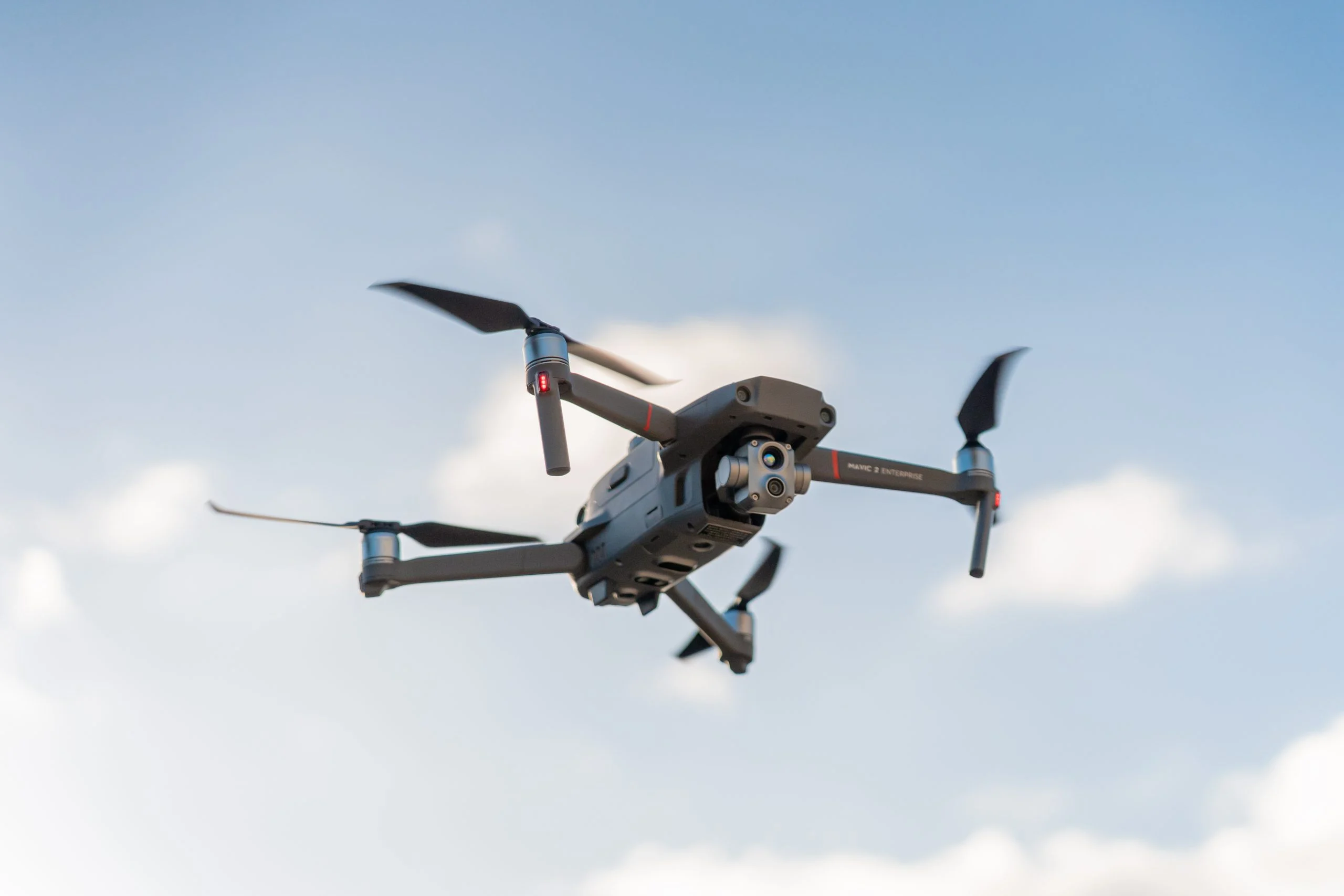
Drone regulation in Spain works on two levels:
European regulations
EASA, the European Union Aviation Safety Agency, regulates drone use through:
·Implementing Regulation (EU) 2019/947
Sets out the operating rules, the flight categories and the requirements for pilots and operators.
·Delegated Regulation (EU) 2019/945
Defines the requirements for the design, manufacture and marketing of drones, including classes C0, C1, C2, C3, C4, C5 and C6.
Spanish regulations
In Spain, Royal Decree 517/2024 applies. It covers national matters such as operator registration, compulsory insurance, minimum ages, UAS geographical zones, training, AESA's powers, U-space airspace and non-EASA activities.
Compulsory registration as a drone operator
In 2026, to fly legally where required, the operator must:
✔ Be registered with AESA.
✔ Obtain an operator number.
✔ Display that number visibly on the drone.
✔ Keep their details up to date.
Without registration, training or compliance with the flight conditions, the operation may be considered irregular.
Basic rules for flying a drone
Before you take off, you must:
✔ Stay below a maximum height of 120 metres.
✔ Always fly within visual line of sight, except where exemptions apply.
✔ Check ENAIRE Drones, which is compulsory.
✔ Respect privacy and data protection.
✔ Use remote identification where required.
✔ Never fly over assemblies of people.
✔ Complete the relevant training.
✔ Keep a safe distance at all times.
Operating categories
The regulations divide drone flights into three main categories:
Open category
This is the lowest-risk category. It requires no prior authorisation or operational declaration, provided its conditions are met.
It is split into three subcategories:
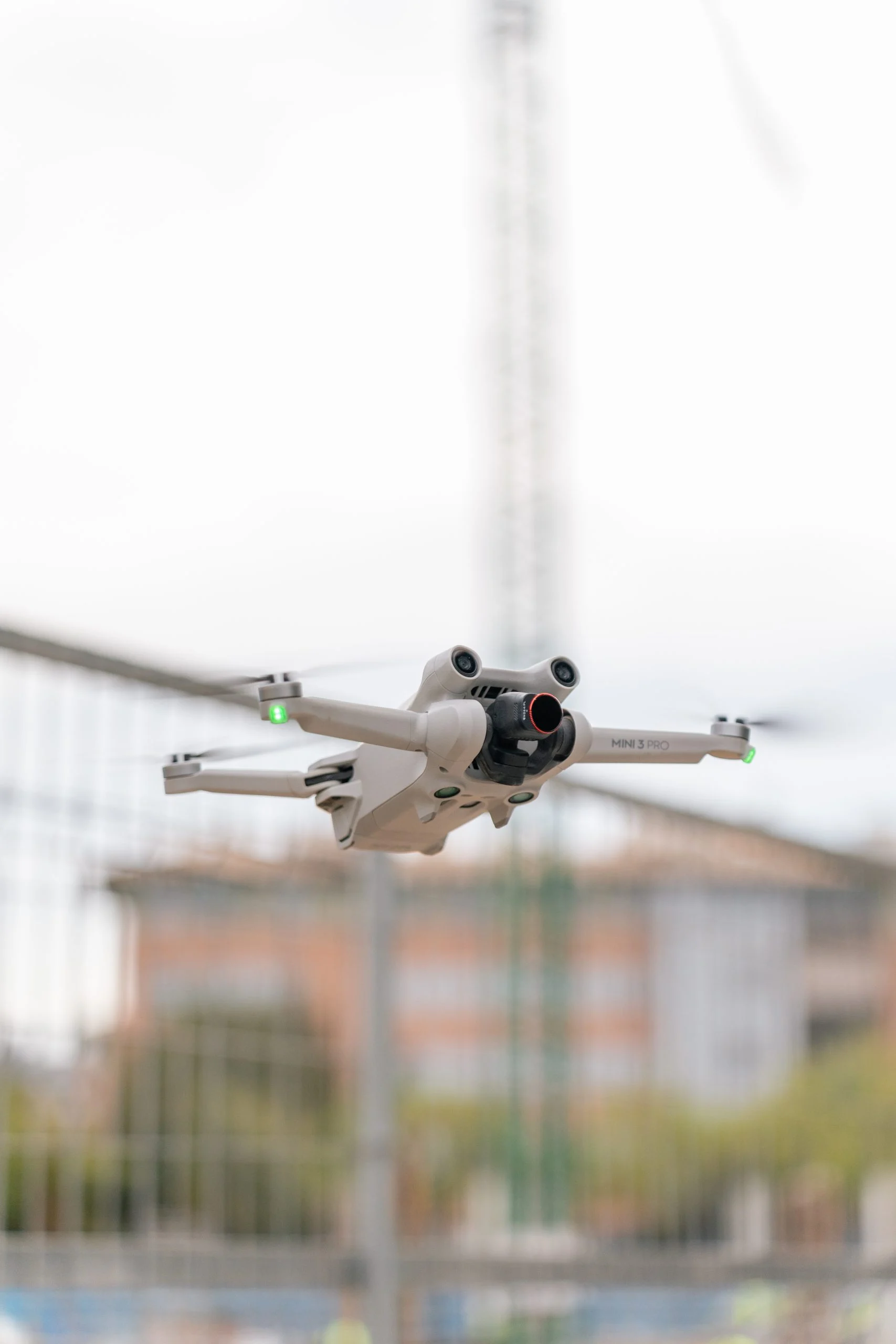
A1: flights close to people
Allows operation close to uninvolved people, but never over assemblies of people.
The following drones can be used:
·C0 under 250 g.
·C1 under 900 g.
·Privately built drones under 250 g.
·Legacy drones under 250 g placed on the market before 1 January 2024.
For C1 drones, passing the A1/A3 online training and exam is compulsory.
A2: flights close to people with a safety distance
Allows flying close to people while keeping a minimum horizontal distance of 30 metres.
This distance can be reduced to 5 metres using low-speed mode and applying the 1:1 rule between distance and height.
Only class C2 drones with a mass under 4 kg are allowed.
The pilot must hold A1/A3 training, have completed practical self-training and hold the A2 certificate.
A3: flights far from people and buildings
Designed for operations in areas away from people and urban areas.
A minimum distance of 150 metres must be kept from residential, commercial, industrial and recreational areas.
C3 and C4 drones, privately built drones and legacy drones without a class label are allowed, provided they weigh under 25 kg.
The pilot must hold A1/A3 training.
Specific category
This applies to operations that exceed the limits of the Open category, such as advanced urban flights, BVLOS operations or higher-risk professional work.
There are several routes to operating in this category:
·Operational authorisation from AESA.
·A declaration under the STS standard scenarios.
·An LUC certificate for certain operators.
·Specific authorisations for model aircraft clubs and associations.
The training depends on the type of operation, but it usually includes A1/A3, A2 practical training and additional specific training.
Certified category
This is the most demanding category and applies to high-risk operations, such as:
·Flights over assemblies of people with UAS larger than 3 metres.
·Carrying people.
·Carrying dangerous goods.
It may require certification of the drone, certification of the operator and a specific remote pilot licence.
What happens if you break the rules?
In 2026, breaching drone regulations can lead to significant penalties.
AESA and the police are carrying out increasingly strict checks, especially in urban areas, at events, in restricted airspace and in sensitive locations.
The consequences can include fines, grounding of the drone, administrative liability and even criminal charges if people, aircraft or infrastructure are put at risk.
Flying without registration, without training, in prohibited zones or without regard for safety can prove very expensive.
Conclusion
Drone regulation in Spain in 2026 demands training, planning and responsibility.
Following the rules does more than avoid penalties. It also shows professionalism, improves safety and builds trust.
Before you take off, make sure you are registered, have the right training, have checked ENAIRE Drones and know which operating category applies.
Flying legally is flying better.