 VisionHub
What is the difference between a hyperlapse and a time-lapse?
By Jaime Gaig · , updated
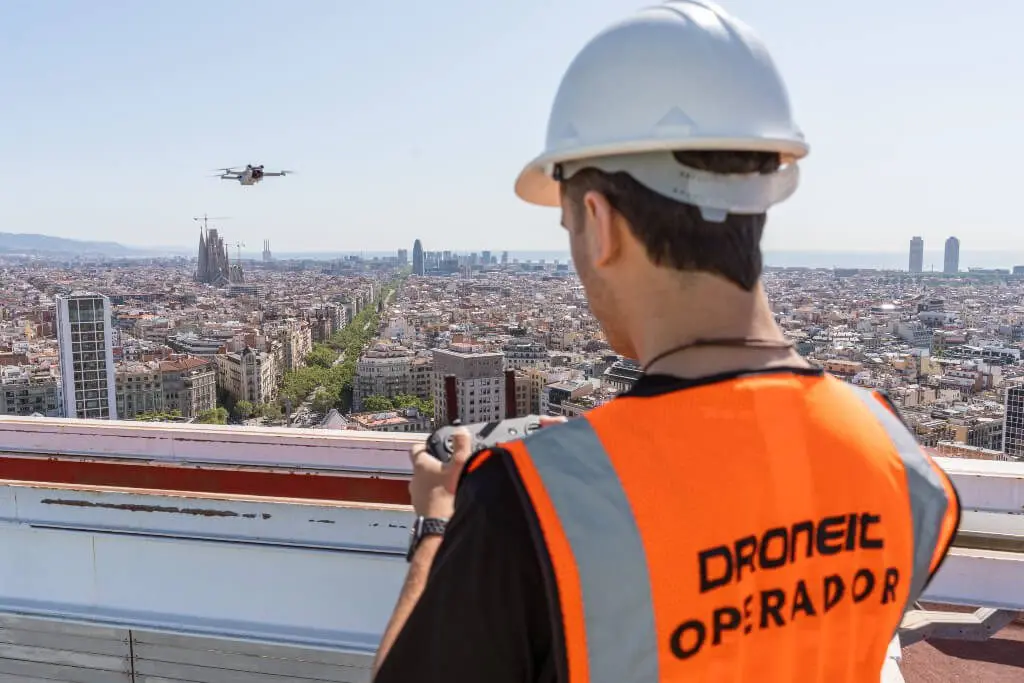
If you want to produce a time-lapse or a hyperlapse, take a look at our time-lapse service.
Standing out with under-used techniques can be hard, especially in film and photography. Creating movement means creating an atmosphere the viewer can enjoy and feel part of. Techniques such as time-lapse and hyperlapse are a great help here.
But do you know the difference between a hyperlapse and a time-lapse? One probably sounds more familiar than the other, so in this article we look at both. As a time-lapse company, Droneit offers the right solutions to show your project to the world.
1. Time-lapse
A time-lapse is a technique in which a series of images is captured at regular intervals over a set period of time. Afterwards, these images are combined to produce a video as the final result.
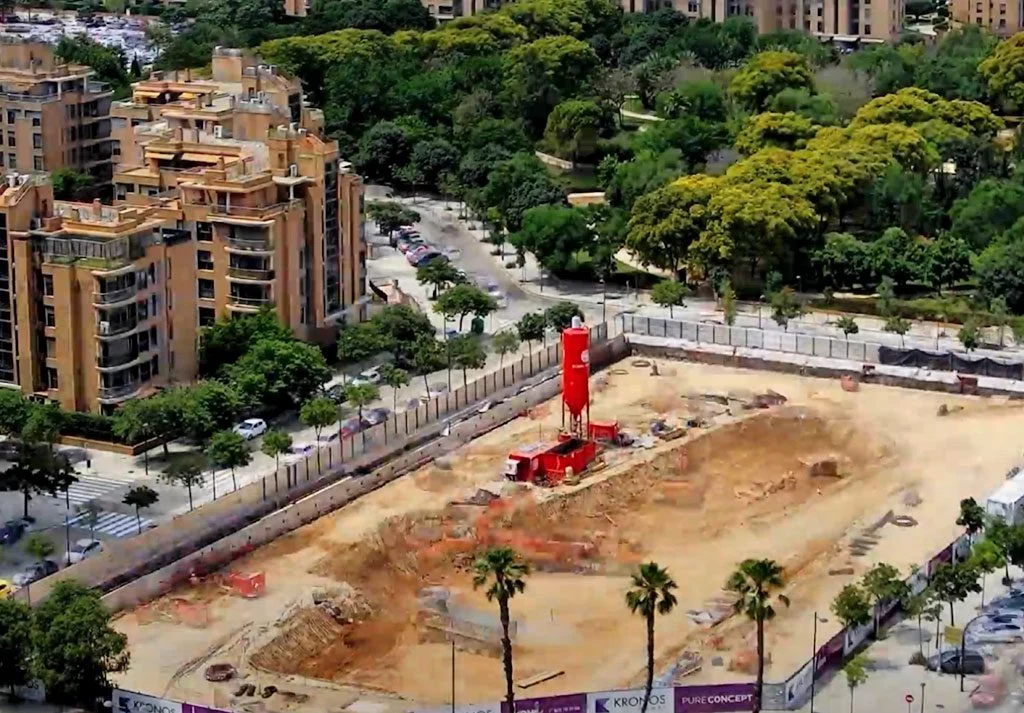
Each individual photograph captures a moment in time, and when they are played back at a higher speed they create the illusion that time is moving much faster. A time-lapse is often used to show relatively long processes in an engaging way. Some of the most common examples are a sunrise or the construction of a building, as you can see in our success stories.
2. Hyperlapse
Now let's look at what a hyperlapse involves. It is a somewhat more complex technique, and more dynamic because the camera keeps moving while the images are captured. In other words, while a time-lapse is shot from a fixed tripod, with a hyperlapse the position keeps changing and the distance covered is greater.
The result is a smooth, fluid sense of movement that transports the viewer to the scene. A hyperlapse can be shot on foot, from a bicycle or from any means of transport that lets the professional move in a controlled way. This adds extra dynamism to the time-lapse itself, as the perspective and background change constantly. It is worth noting that it can be achieved either with a drone or with an ordinary camera.
Now that we know what sets a hyperlapse apart from a time-lapse, the choice of one technique or the other will depend on the aims of the project and on each client. Each sector may have needs that are better served by a time-lapse or, on the contrary, by a hyperlapse. Although the two techniques are very similar, and both compress time and capture gradual change, the second gives a greater sense of movement that helps immerse the audience in the setting being shown.
Droneit, time-lapse company
Whether you think your project needs a time-lapse or a hyperlapse, we are ready to get the best out of every idea. Trusting us with an event, a live stream or similar is always a good call.
We invite you to visit the Droneit website, where you will find a number of success stories in our portfolio. Want to get the most out of your project? Talk to us and tell us what it is about. We look forward to hearing from you!