 VisionHub
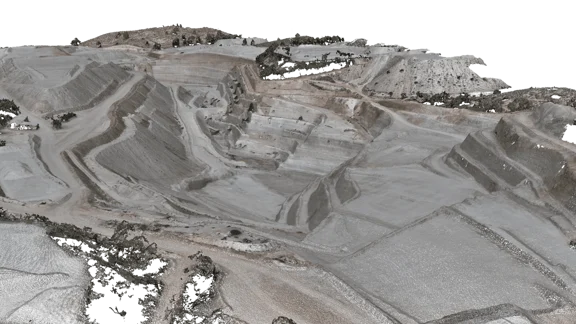
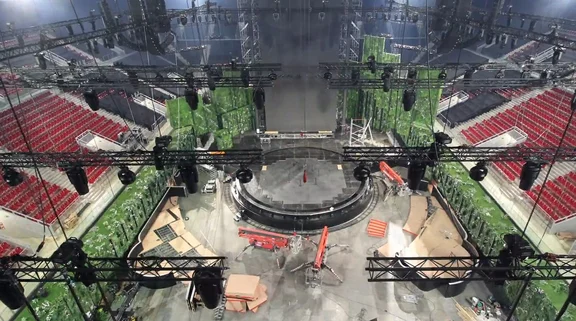
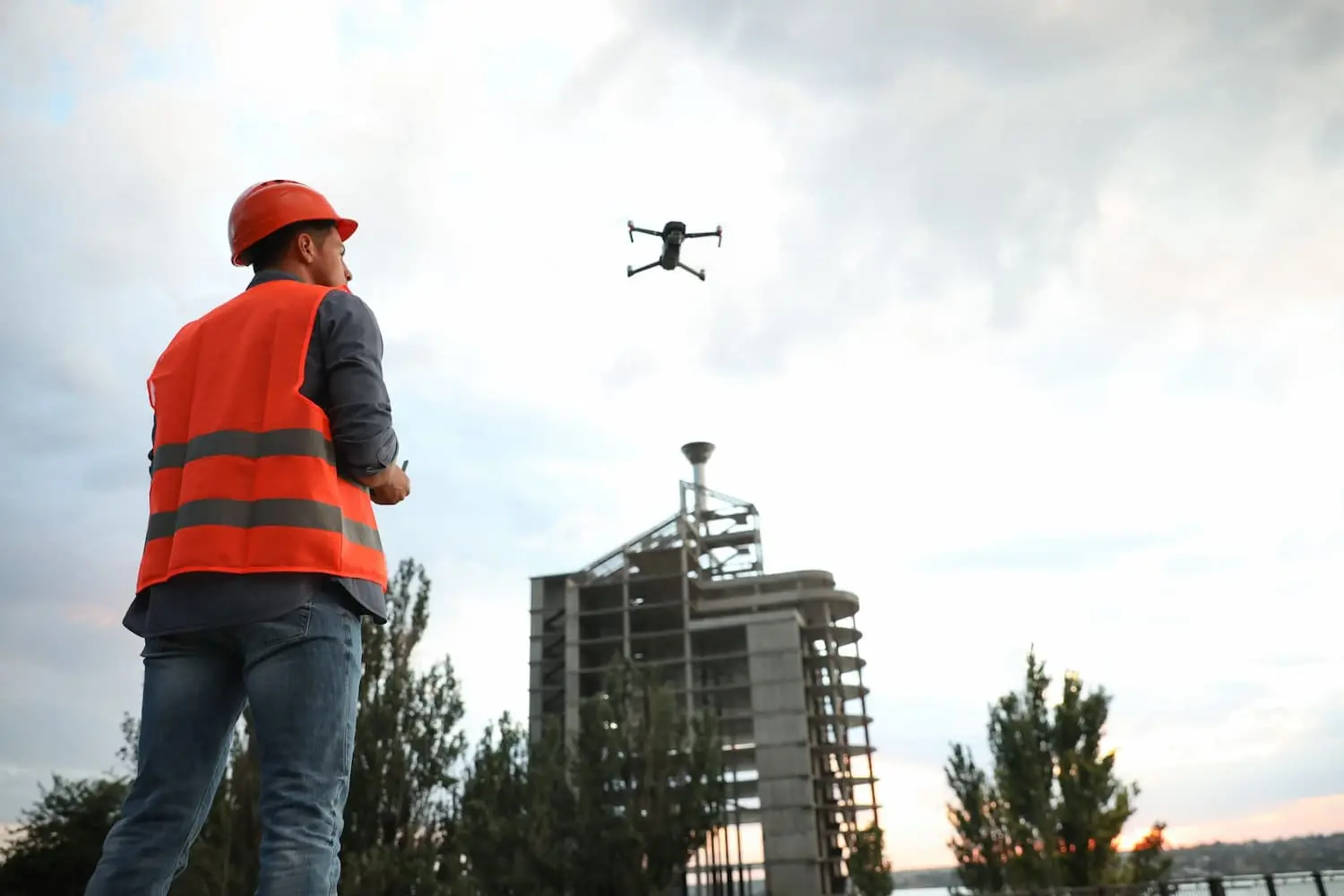
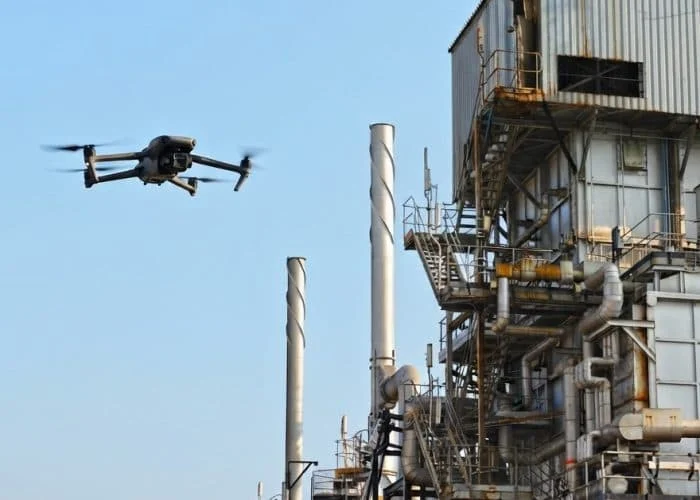
Industrial inspections are an essential part of infrastructure maintenance. Yet traditional methods often involve working at height, sending specialist staff on site and halting operations, all of which add cost and risk.
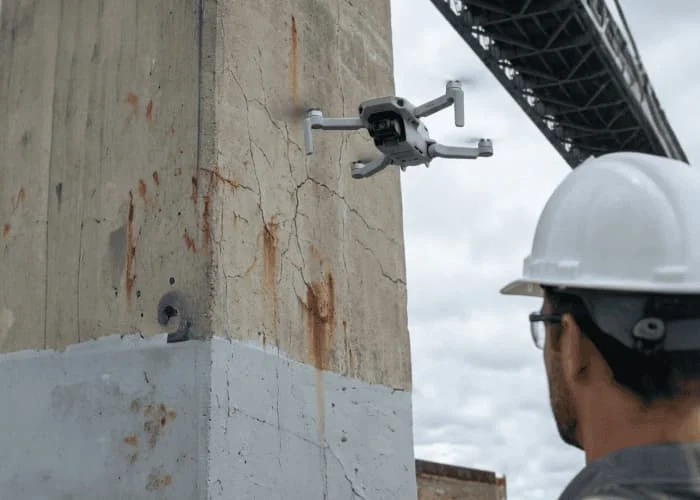
Drones have changed traditional inspection, offering a faster, safer and more cost-effective way to obtain accurate information on any industrial asset.
Significant cost savings
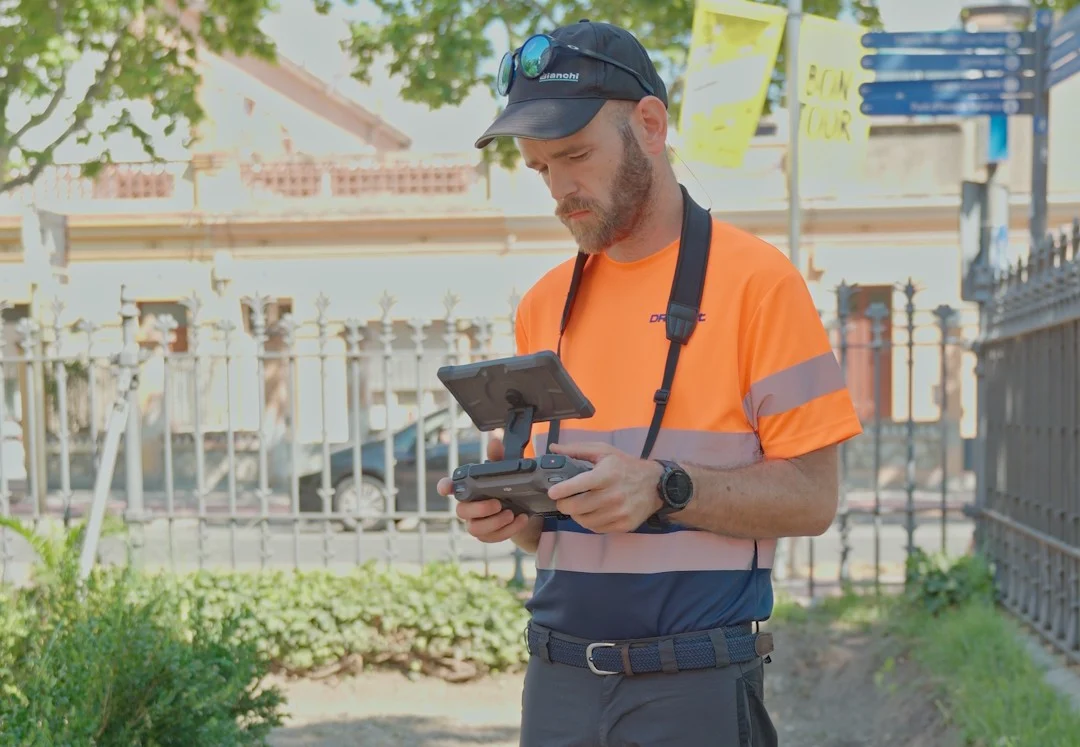
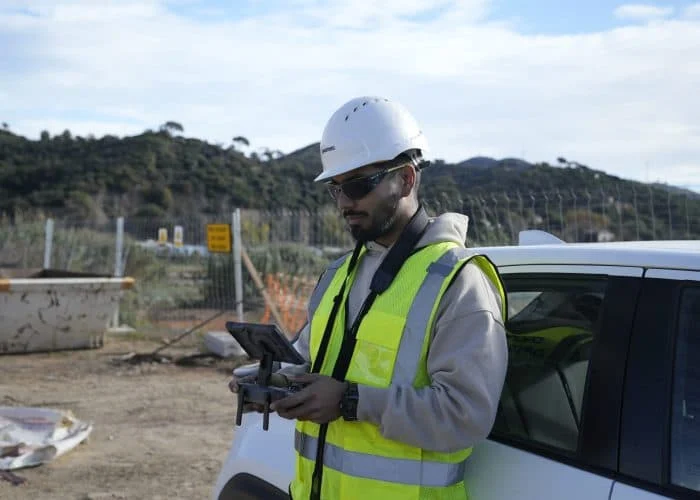
Before take-off, an automated mission is planned taking into account:
- Flight altitude
- Size of the area
- Ground conditions
- Image overlap
- Required resolution
Getting the photo overlap right is essential for accurate reconstructions.
Greater safety for workers
Inspecting elevated structures, confined spaces or hard-to-reach areas poses significant risks to staff. Drones capture high-quality images and data without exposing technicians to potentially dangerous situations.
This not only improves workplace safety but also helps companies comply with their risk-prevention policies.
Faster, more efficient inspections
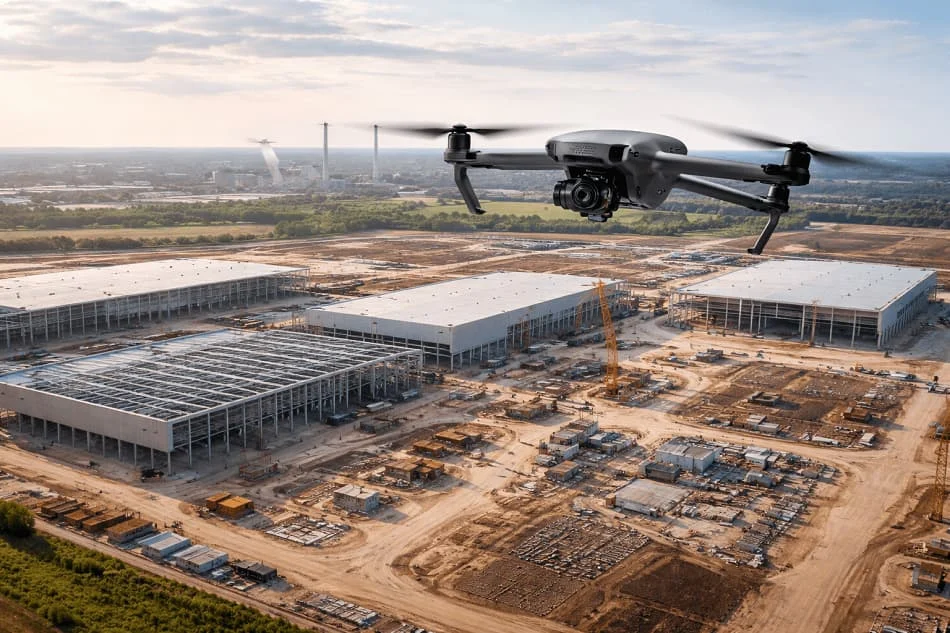
A drone can inspect large areas in a fraction of the time conventional methods need. An inspection that once took several days can now be completed in a few hours.
Getting data faster means issues are spotted sooner and maintenance decisions can be made more quickly.
Accurate data for better maintenance
Fitted with high-resolution cameras and specialist sensors, drones can identify cracks, corrosion, structural defects or thermal anomalies in great detail.
This information supports predictive maintenance, helping to prevent costly breakdowns and extend service life.
An investment with an immediate return
The combination of cost savings, lower risk, faster inspections and better-quality data makes drones a strategic tool for modern industry.
More and more companies are building this technology into their maintenance processes because it helps them make the most of resources and improve safety.