 VisionHub
BlogIndustrial SectorConstruction SectorDrones
The real impact of drones on workplace safety
By Jaime Gaig ·
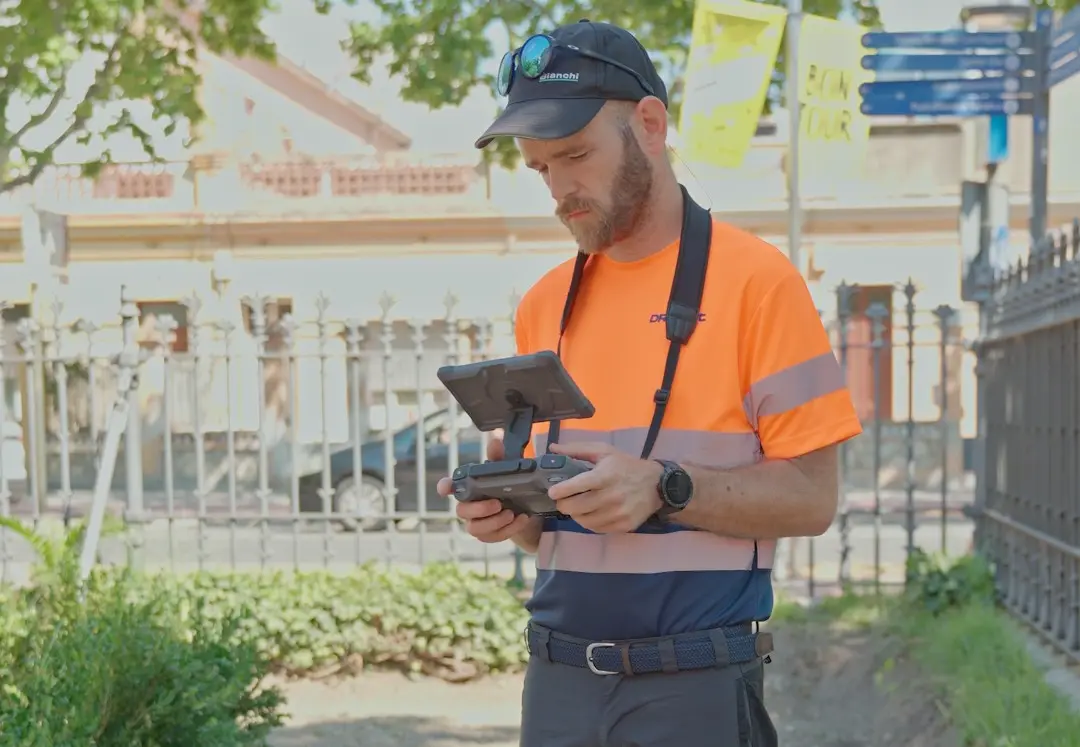
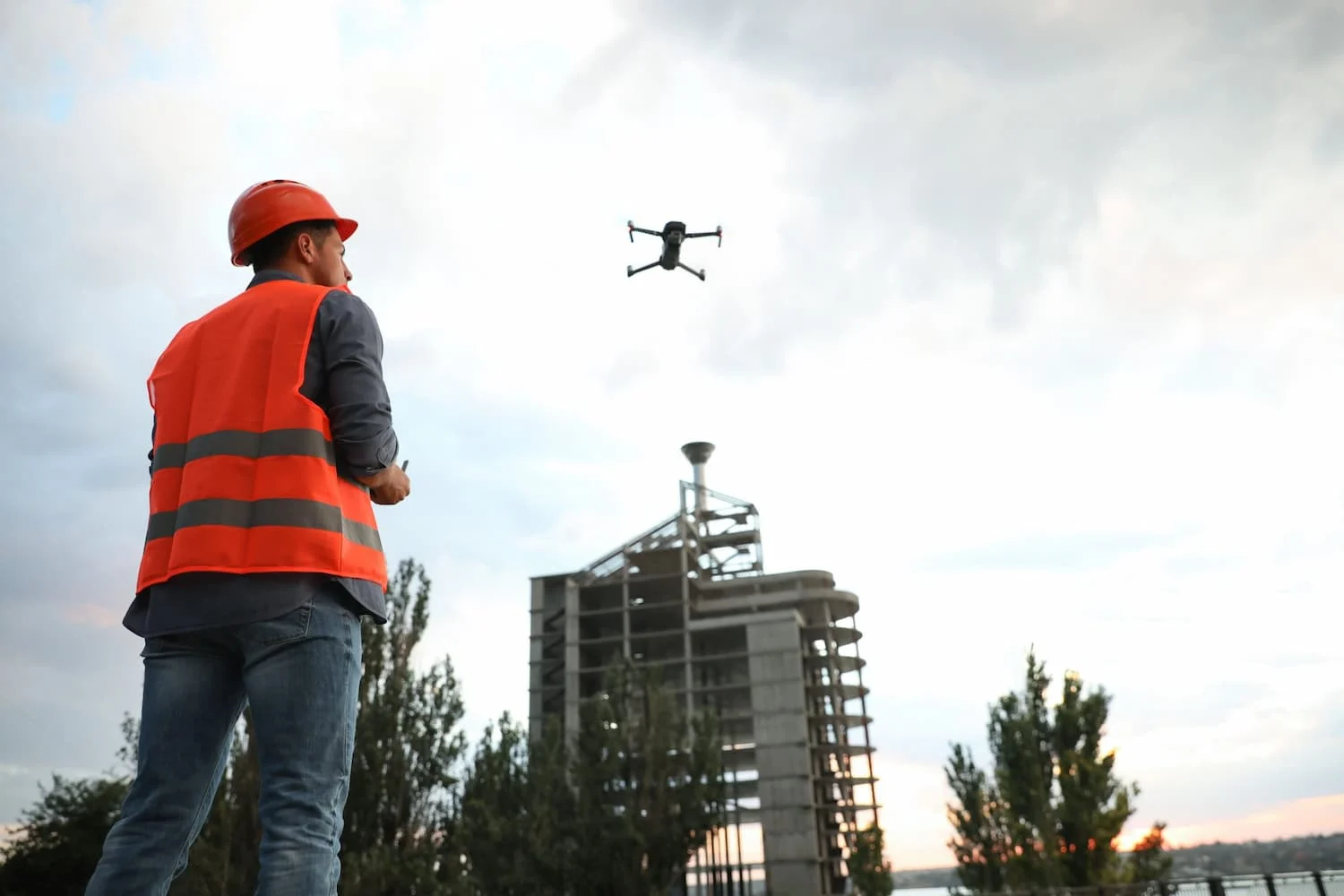
A drone does not replace a worker. In certain cases, it replaces the need for that worker to be exposed to risk in order to gather information.
For years, inspecting a roof, checking a structure, examining a façade or getting eyes on a hard-to-reach area meant physically getting close to the hazard.
Today, some of those tasks can be rethought thanks to drones.
Spain's National Institute for Occupational Safety and Health (INSST) itself notes that the professional use of drones can spare workers from exposure to risks such as falls from height, and that drones can be used as a preventive tool.
From entering the danger zone to observing it from outside
The conventional procedure may require someone to physically access the area, move across the surface and reach different points to check its condition. Depending on the setting, this can mean a risk of falling, awkward movements or the use of auxiliary equipment. With a drone fitted with a high-resolution camera, some of that information can be gathered from outside.
The pilot can carry out a visual inspection of the roof, façade or structure. For hard-to-access infrastructure, EASA identifies exactly this capability as one of the applications of drones: using high-definition cameras to provide safer access to certain points.
1. Less exposure to work at height
This can reduce the need to carry out certain checks through physical access, especially where the main aim is to gather visual information on the condition of an element.
The INSST specifically highlights falls from height among the risks whose exposure can be reduced through the use of drones at work. Its recent publications also continue to flag falls from height as a particularly significant risk in sectors such as construction.
2. Inspecting hard-to-reach areas without access becoming the problem
Elevated structures, industrial facilities, embankments, areas with obstacles, non-walkable roofs and certain construction elements.
Here the drone offers more than a different perspective. It separates gathering information from physically accessing the element.
An aerial camera can approach a structure, travel along it and record different points from different angles. Those images can then be used to review details, compare areas or document issues.
3. Seeing what the eye cannot: thermography
Safety is also about detecting a problem before it turns into an incident.
A drone with a thermal camera can detect temperature differences across surfaces and installations. These images can help locate thermal anomalies that technical staff can then analyse.
What matters is being able to carry out an initial inspection over a large surface, collect data and pinpoint the spots that need attention, without having to walk the entire facility.
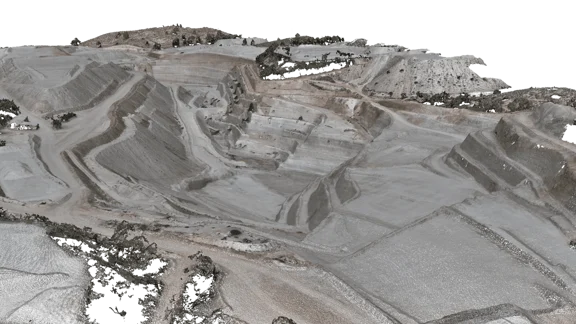
4. Surveying and photogrammetry: knowing the terrain without constantly walking it
On a construction site, for example, this information can be used to analyse how the terrain changes, as well as earthworks, changes in level and certain hard-to-reach areas.
The benefit is that some of the information needed to make decisions can be gathered remotely, reducing certain unnecessary trips across the site. In complex settings, an up-to-date digital representation can also help plan subsequent work more effectively.
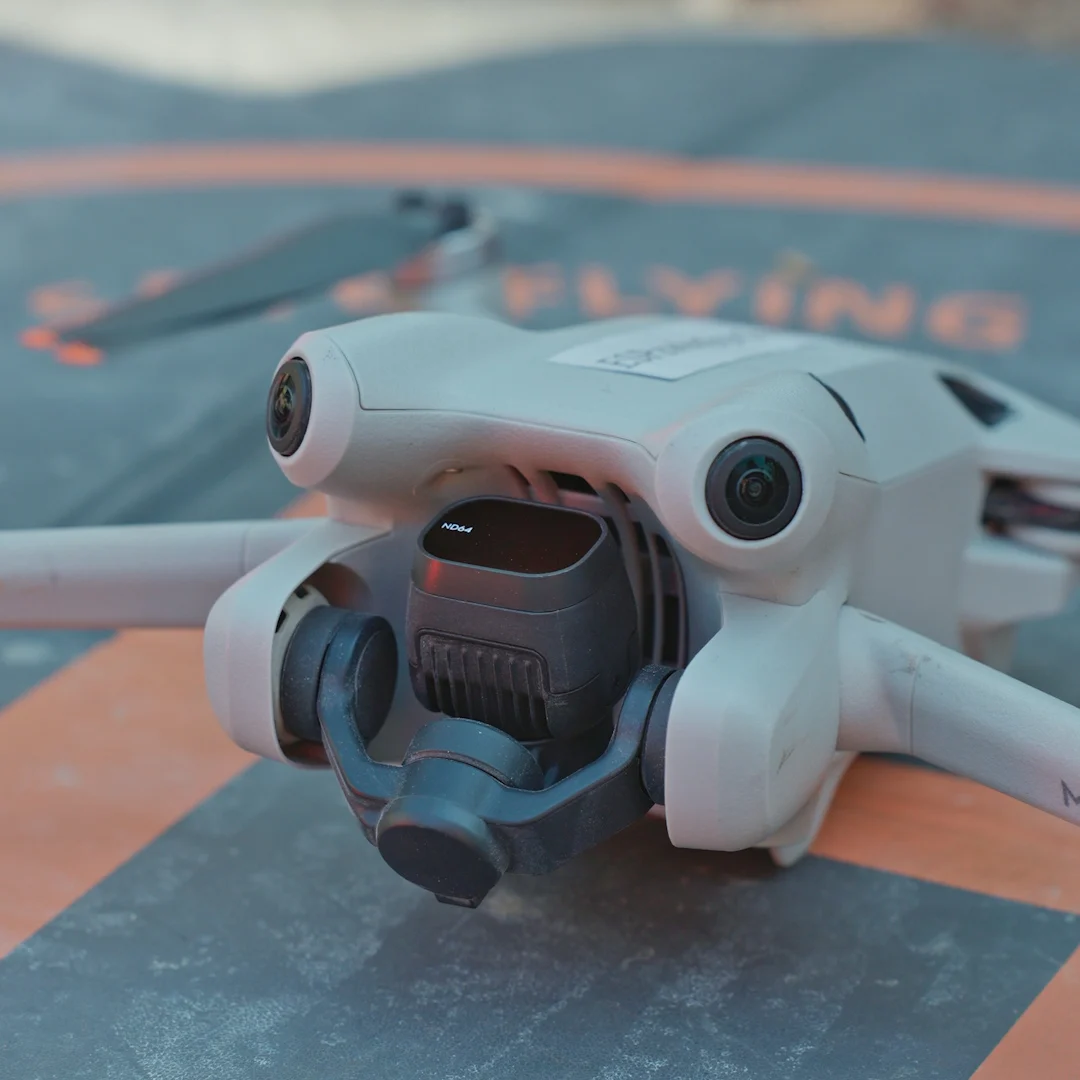

Drones also bring some risks of their own
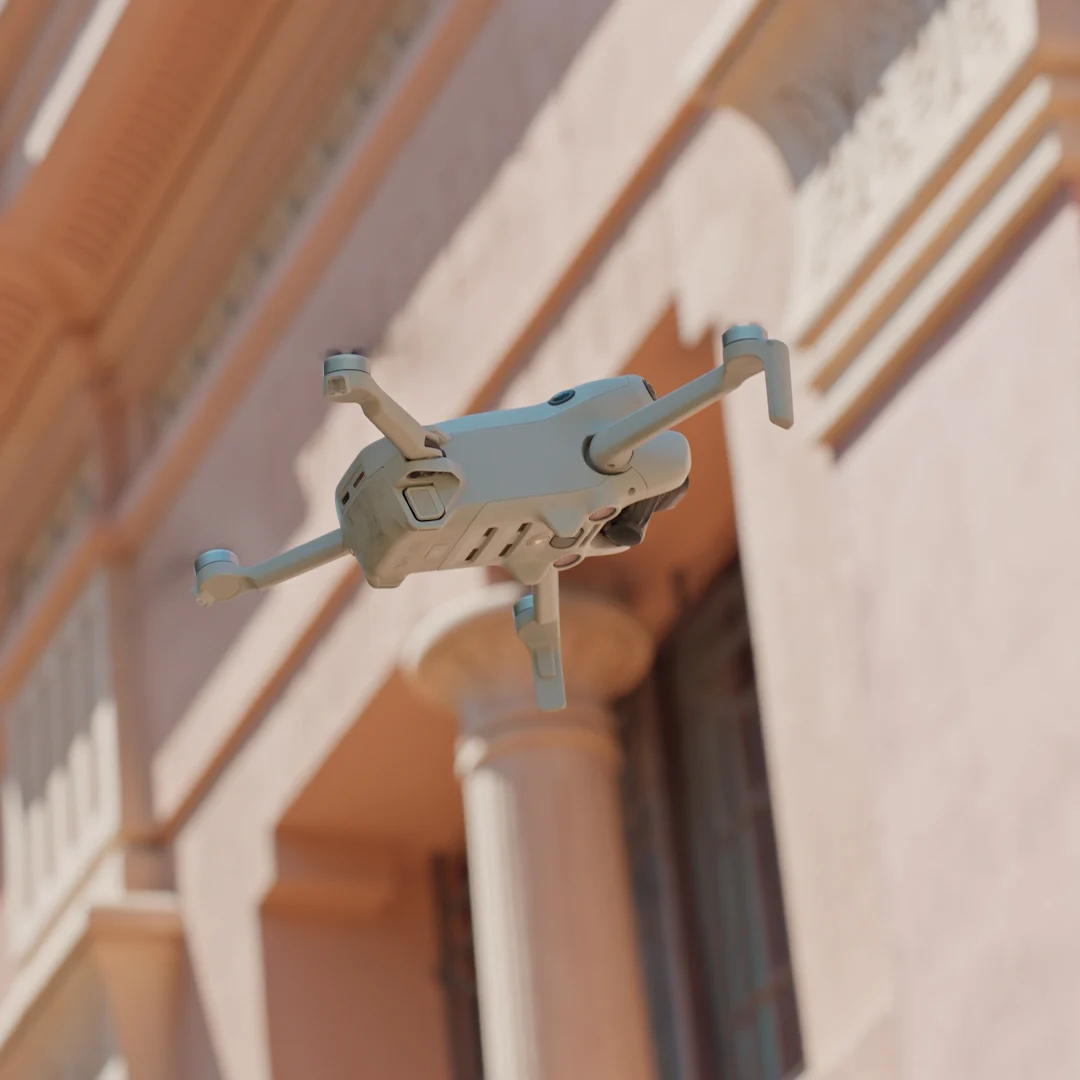
The INSST explains that drone operations can create new risks. These include possible impacts, people present in the area, obstacles, weather conditions and operating within airspace.
The area has to be assessed, obstacles and people identified, weather conditions checked, the equipment inspected and the flight parameters defined.
In other words, safety does not start when the drone takes off. It starts at the planning stage.