 VisionHub
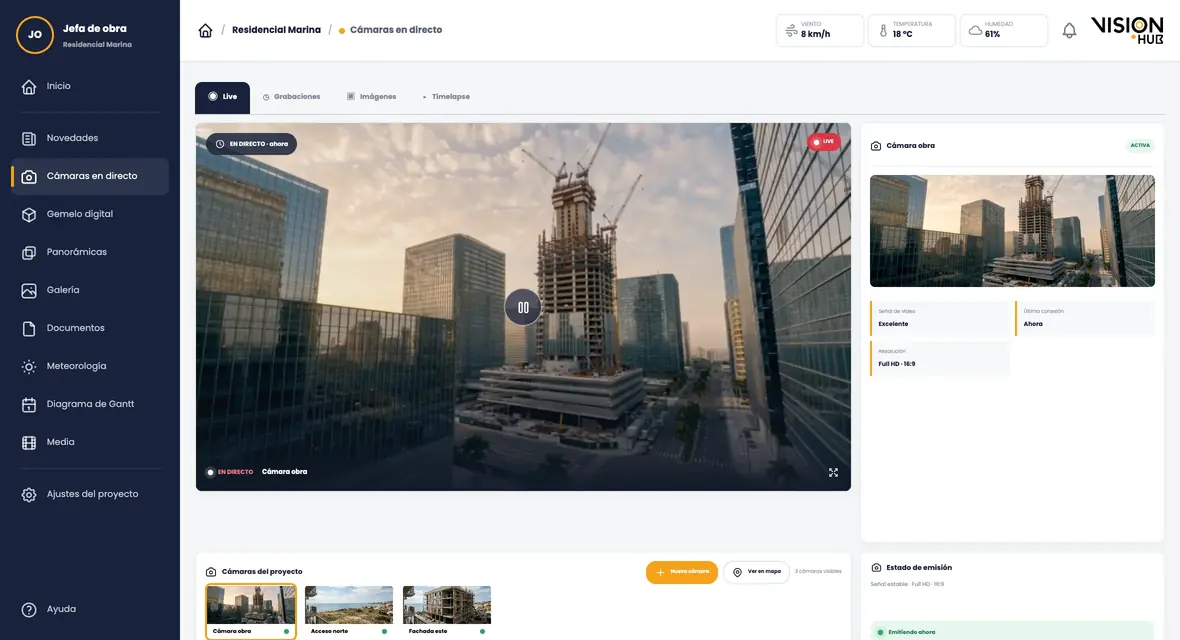
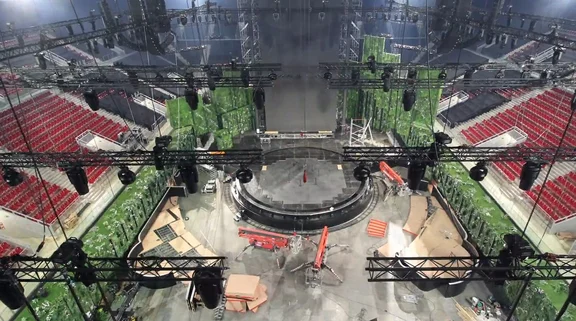

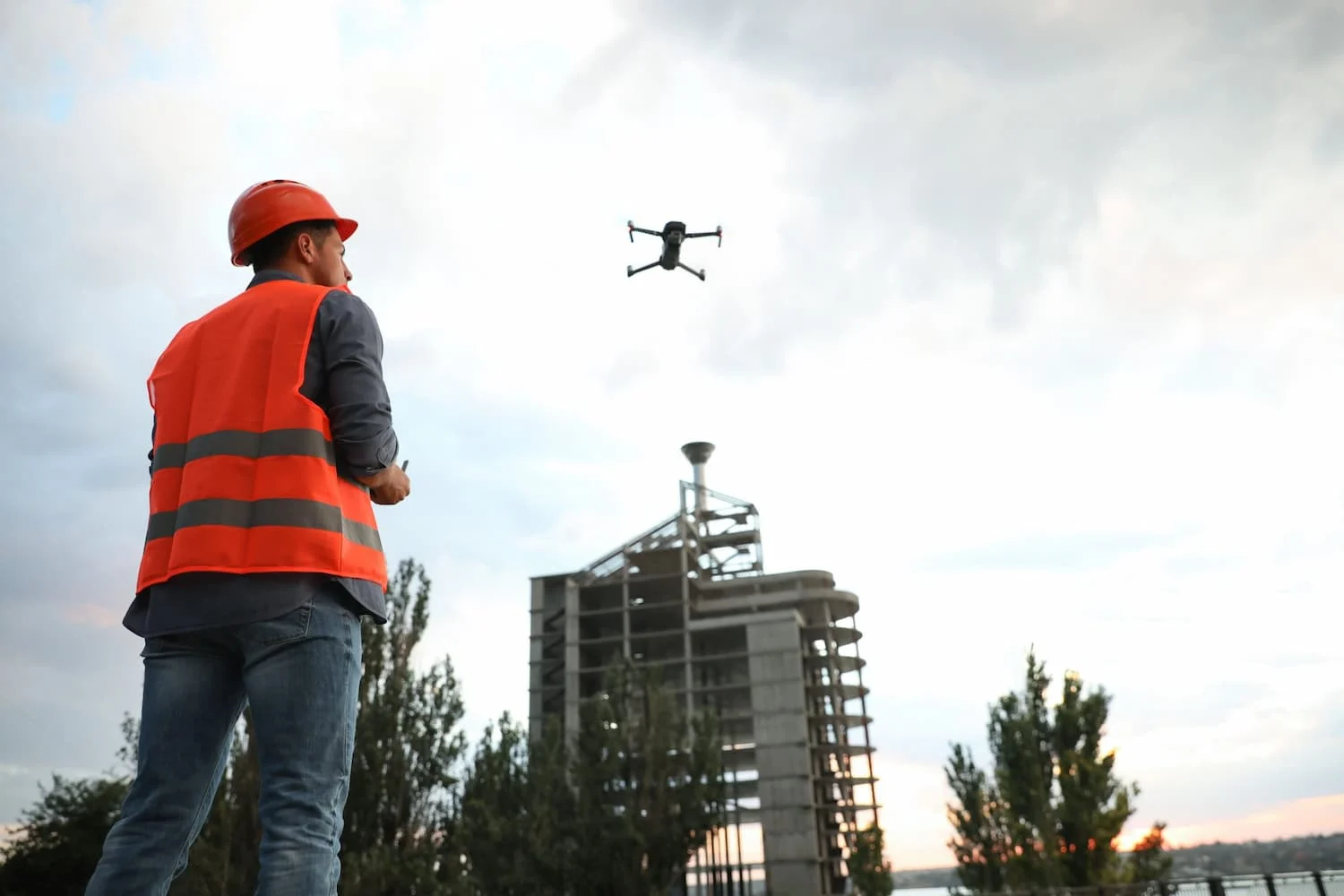
Drones are part of today's world, and many sectors are already taking advantage of what they offer. Here we look at the uses and benefits of drones in engineering, covering specific fields of application and the reasons to bring in the services of a drone company.
WHAT DOES "DRONES IN ENGINEERING" MEAN?
It refers to using drones in civil engineering to carry out tasks that would otherwise come at a high financial or human cost.
Think, for example, of technical inspections at great heights or on elevated surfaces.
WHY USE DRONES ON ENGINEERING PROJECTS?
The main reasons to choose this technology are lower costs (in both time and money) and reduced risk. Here are some of the reasons we recommend it:
- Greater efficiency and better use of time.
- Material and results delivered sooner.
- Cost savings.
- Highly accurate data.
- Results with strong audiovisual value for promotion and marketing.
- Easier inspection of hard-to-reach places.
- Less environmental impact by reducing equipment travel, for example in forest monitoring.
- Wider geographical coverage, so work can be completed in less time.
FIELDS OF APPLICATION
- Façade maintenance, refurbishment and building inspection.
- Technical maintenance analysis of civil infrastructure such as viaducts, wind turbines, solar trackers, etc.
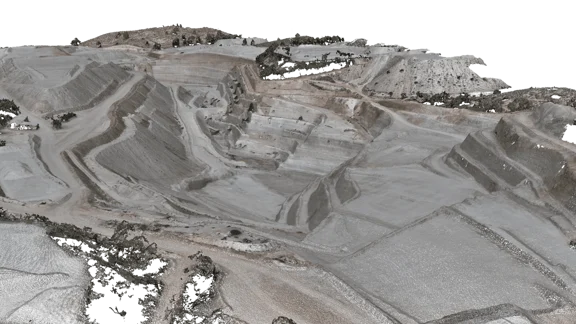
- Topographic surveys and terrain elevation analysis.
- Security and monitoring of natural environments, for example for wildfire prevention and control.
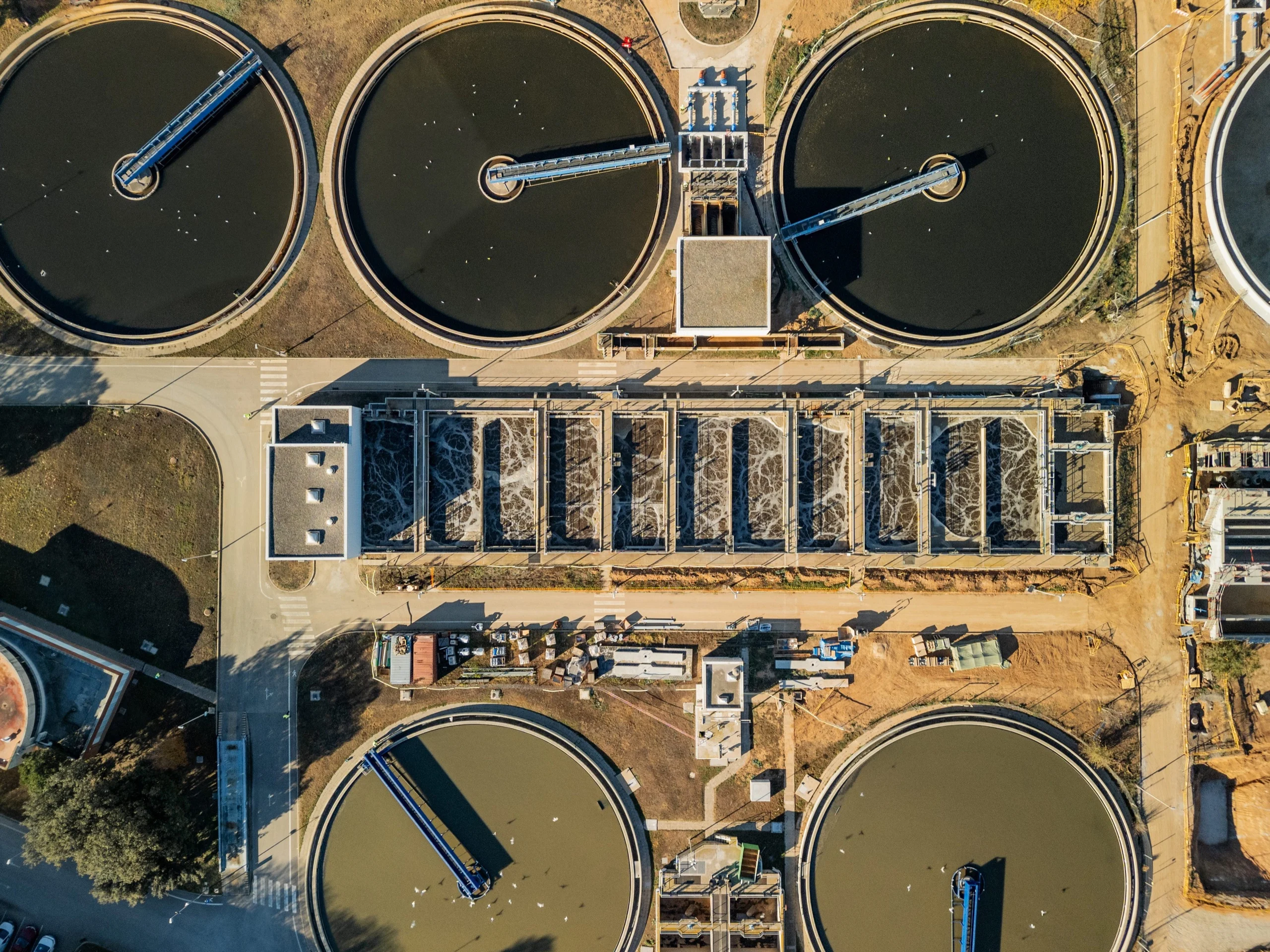
CAMERAS USED ON DRONES FOR CIVIL WORKS
On civil works you will usually find two types of drone: the drone with an RGB camera and drones with thermal cameras.
- Thermal cameras: these detect the presence of water in ground where it could cause damage.
- RGB cameras: these help model the terrain and show how it changes over time. These cameras now reach 5K resolution.
We hope you have found this article on drones and engineering today interesting.