 VisionHub
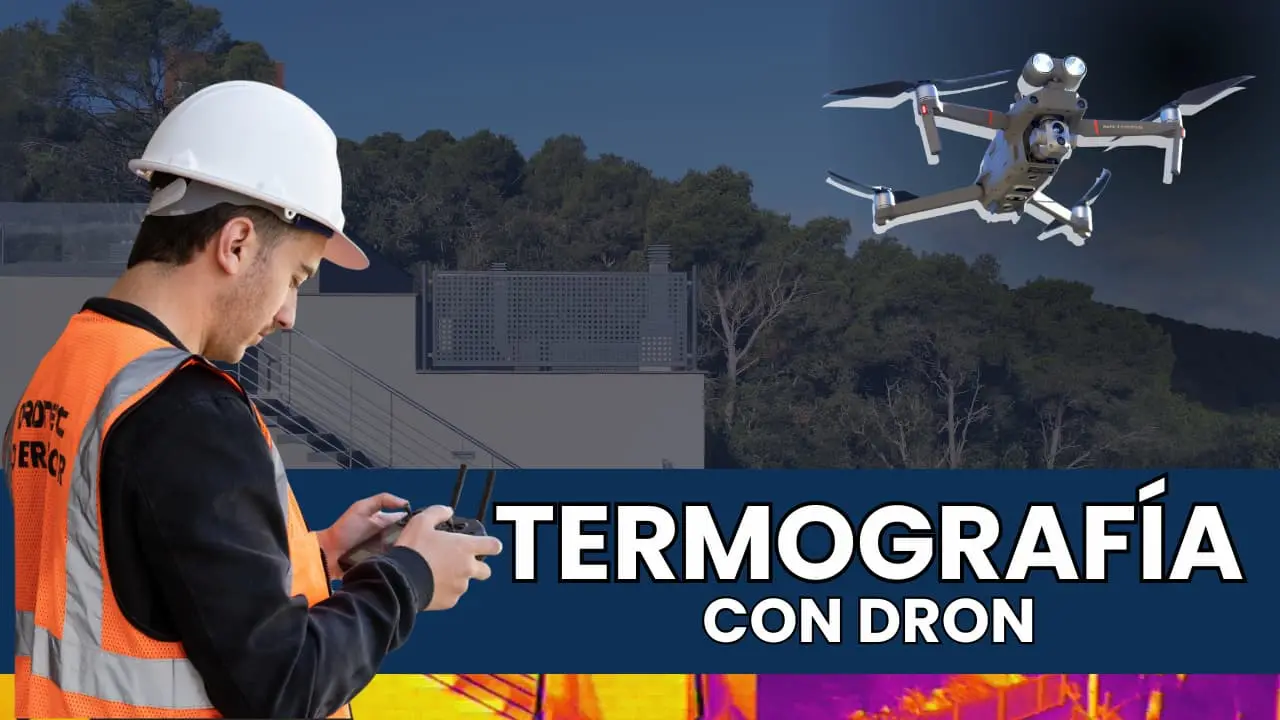
Energy efficiency is a cornerstone of any industrial facility. In 2024, drones fitted with thermal cameras are establishing themselves as an essential tool for identifying heat loss and assessing the quality of thermal insulation in industrial buildings. This approach not only ensures better energy performance but also cuts operating costs and improves companies' sustainability.
In this article we look at how drone thermal inspections are transforming the industrial sector, highlight a specific success story and offer practical advice for anyone looking to improve energy efficiency at their facilities.
Get in touch, no obligation
What do these inspections involve?
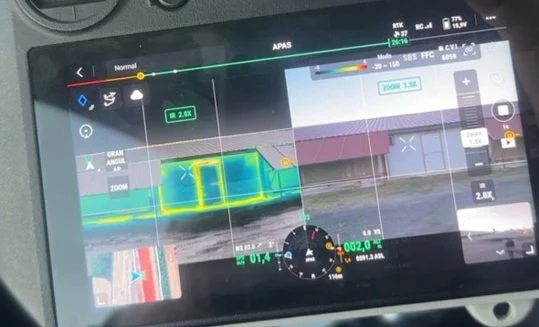
Aerial thermal inspections use unmanned aerial vehicles (UAVs) fitted with radiometric infrared cameras. These cameras capture temperature differences across surfaces, helping to detect thermal leaks, poorly insulated areas or faults in industrial installations.
Key benefits:
- Fast problem detection: drones can cover large areas in a short time and deliver results immediately.
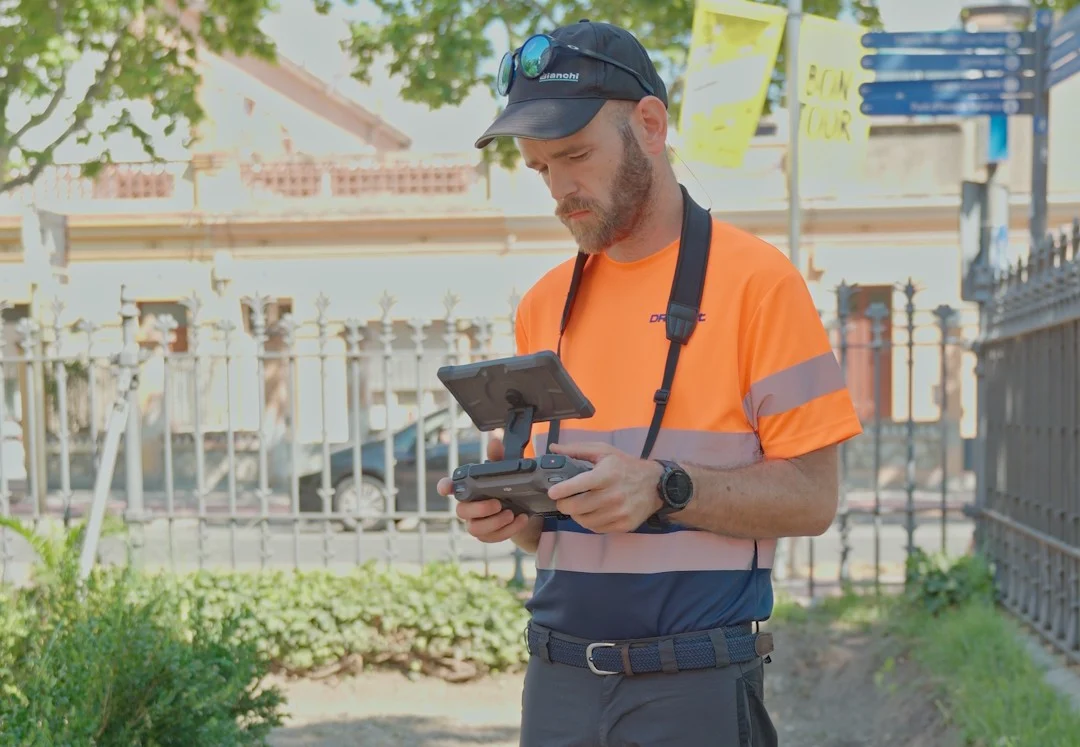
- Improved safety: technicians no longer need to access dangerous areas such as roofs or elevated or inaccessible structures.
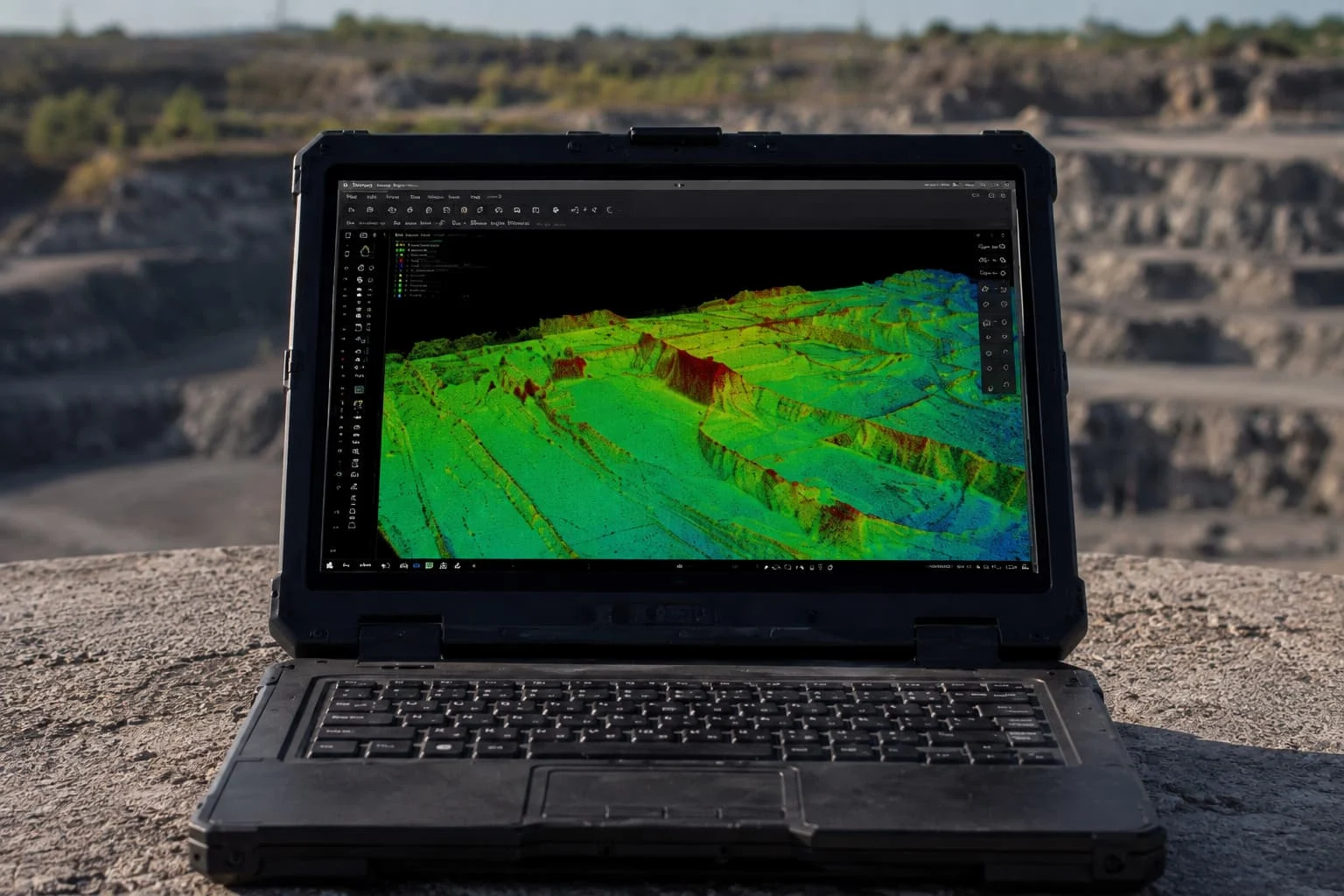
Accurate data: thanks to technologies such as RTK (Real-Time Kinematics), drones produce detailed orthophotos and high-resolution thermal maps.
Related
UAV photogrammetry: planning a professional photogrammetry flight.
How to improve energy efficiency in industrial buildings with thermal inspections
If you are considering our thermography service, here are some practical tips:
- Choose the right time: inspections tend to be most effective at dawn or dusk, when temperature differences are most pronounced, and in winter or summer.
- Use RTK drones: this system ensures accurate geolocation, which is crucial for producing detailed thermal maps.
- Produce clear reports: make sure the data collected is turned into actionable recommendations for the people who run the facility.
- Assess critical materials: inspect roofs, walls and any surface where thermal insulation is essential.
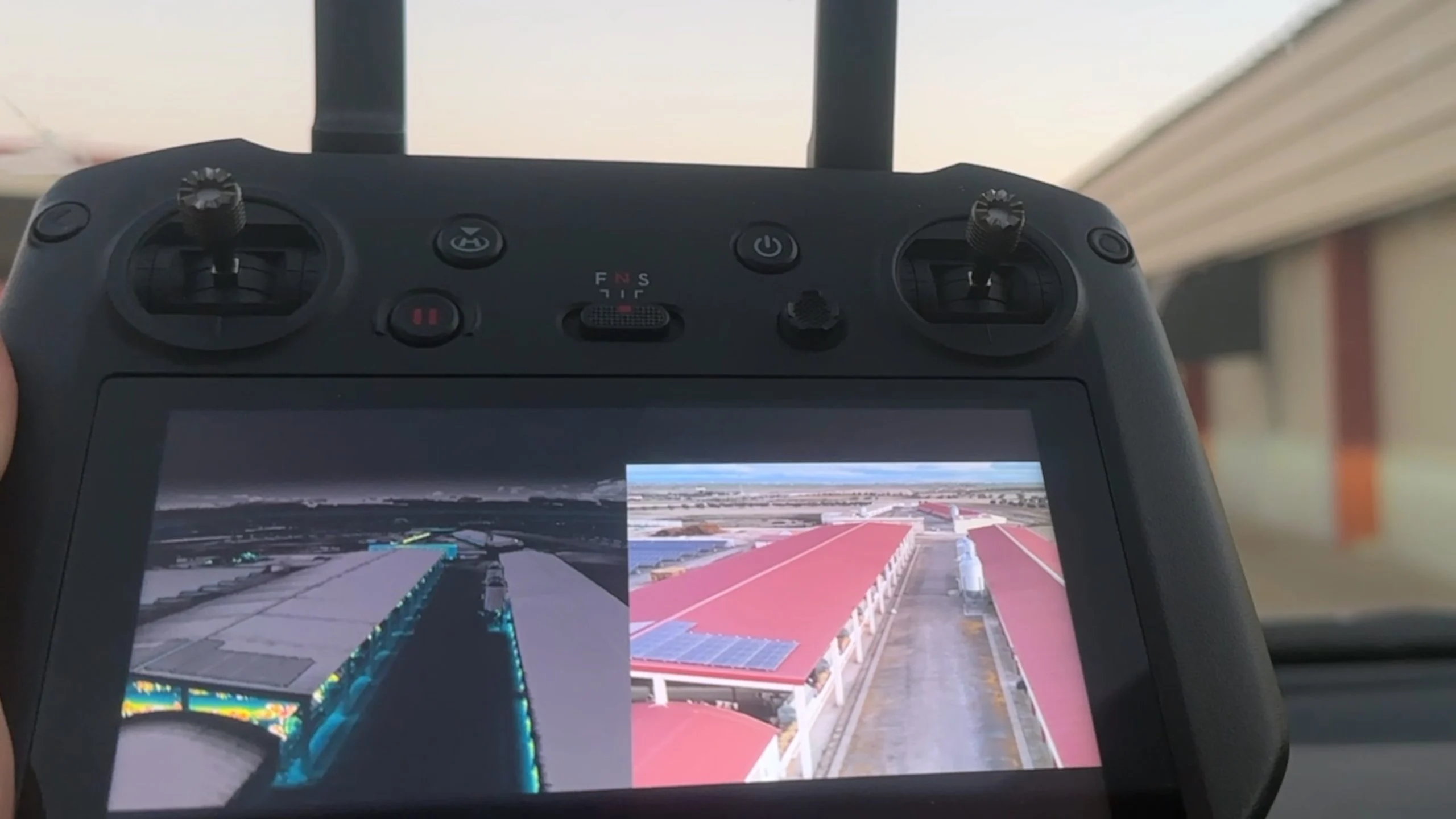
The impact of thermal inspections on industry
2025 outlook
Combining drone services with thermal cameras has become standard practice for technical inspections in industry. From poultry farms to production plants, this approach not only identifies problems invisible to the naked eye but also helps plan improvements that have a direct impact on energy efficiency and operating costs.
Competitive advantages:
- Lower carbon emissions thanks to energy savings.
- Preventing bigger problems before they affect production.
- Justifying investment in structural improvements with accurate data.
Conclusion
Drone thermal inspections are not just a modern solution. They are a necessity for any industry looking to optimise its energy performance. As we saw in the poultry farm case, investing in this technology can make the difference between efficient operations and costly long-term problems.